
Humane, structured support for complex canine behavior
Hey, I’m Fanna Easter!
I’m certified dog behavior consultant, certified separation anxiety trainer and owner of Positive Pooch Dog Training & Behavior . I work with guardians and trainers to address repetitive and complex behavior patterns and separation anxiety using evidence-informed, humane methods. Additionally, I collaborate with veterinary professionals and provide virtual support worldwide.
I’m glad you’re here.
Why this work matters to me
For me, working through complex cases feels a bit like solving a puzzle—especially with abnormal repetitive behaviors (ARBs) and separation anxiety, which are often misunderstood and under-supported. I enjoy figuring out how everything fits together—the dog’s environment, history, and what I’m seeing right in front of me.
What I find most rewarding is when guardians have those “light bulb” moments and things finally start to make sense. There’s not a lot of accessible, humane guidance out there for ARBs, so being able to bridge that gap in a practical way is a big part of why I do this work.

My approach
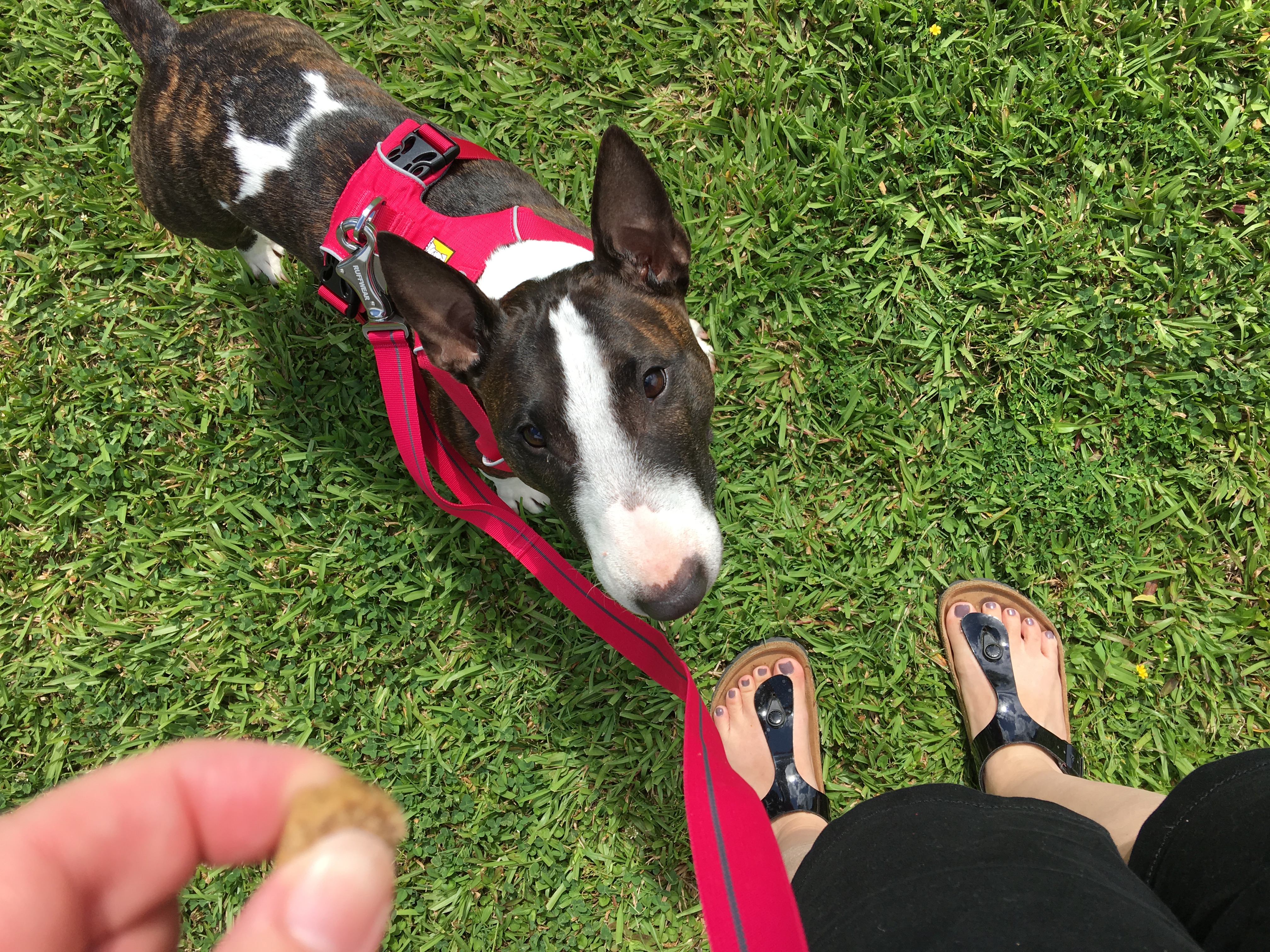
My approach to dog behavior support is humane, evidence-informed, and focused on long-term change—not quick fixes. I do not use force-based methods such as physical corrections, intimidation, or overwhelming exposure, as these can increase stress and make complex behaviors worse. Instead, I prioritize the dog’s agency, clear communication, and teaching alternative behaviors that are easy for guardians to maintain.
I view behavior as a system, not a single problem. This means looking at the dog’s environment, history, individual dog, and daily patterns together to understand what is driving the behavior.
Change is introduced gradually and at a pace the dog can handle. Small, structured steps help build confidence and reduce overwhelm, especially in complex cases such as abnormal repetitive behaviors (ARBs) and separation-related behaviors.
I also focus heavily on practical implementation.The goal is not just understanding the behavior—it’s helping guardians and professionals apply realistic, effective strategies that can be maintained in everyday life.
Experience & areas of focus
I have over 30 years of experience working with dogs in behavior-focused roles, with a strong emphasis on complex behavior cases that require individualized, thoughtful support.
My primary areas of specialization include abnormal repetitive behaviors (ARBs) and separation anxiety in dogs. These are often multifaceted conditions that benefit from a systems-based, veterinary-informed approach rather than symptom-focused training alone.
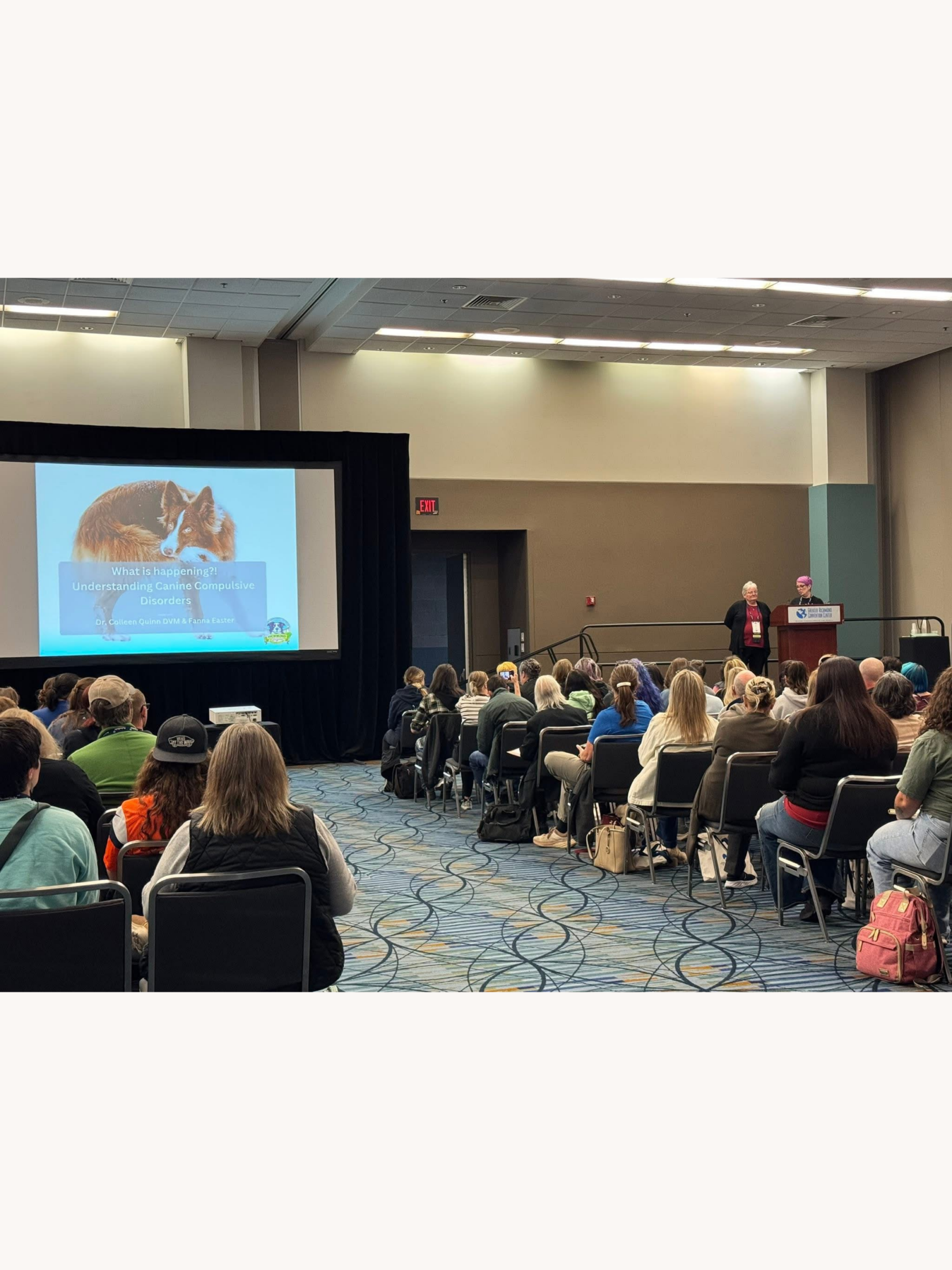
I also contribute to professional education through presentations, published articles and continuing education discussions with trainers, behavior professionals and pet sitters. My focus is on making complex behavioral science practical, accessible, and usable in real-world settings.
I continue to collaborate closely with veterinary professionals and stay engaged in ongoing education to ensure my work reflects current, humane, and evidence-informed best practices in canine behavior support. I also bring a decade of experience working alongside a veterinarian with a behavior focus, which has strengthened my understanding of complex behavior cases.
I also continue my professional development through structured training, including the University of Kansas Applied Behavior Science coursework, to further support my work in canine behavior cases.

Collaborative care matters
Dog behavior cases—especially ARBs and separation anxiety—often require a team-based approach.
I regularly collaborate with veterinary professionals and encourage veterinary involvement when medical, neurological, or emotional factors may be contributing to behavior changes. This helps ensure a complete and accurate understanding of the dog’s needs.
I also work alongside trainers and guardians to create consistent, realistic plans that can be implemented at home. When a case is outside my scope (reactive dog + children and service dog training), I support ethical referral to ensure the dog receives the most appropriate care.
Good behavior support is not about working alone—it’s about bringing the right expertise together for the wellbeing of the dog.
A personal note
I’ve shared my life with Rottweilers, Bouviers, and most recently, Bull Terriers. Each breed has shaped my understanding of behavior in different ways, and that experience continues to inform my work with individual cases.
Bull Terriers, in particular, have deeply influenced my understanding of abnormal repetitive behaviors (ARBs). My first Miniature Bull Terrier developed ARBs during adolescence, which gave me early insight into how these behaviors can emerge and change over time. When my second Miniature Bull Terrier later developed an ARB, it pushed me to develop more structured frameworks for understanding and addressing these patterns in a practical, consistent way.
That experience ultimately shaped how I approach ARBs today—focusing on reducing behavior, improving quality of life for both dogs and guardians, and creating sustainable systems that can be maintained in everyday life.

National certifications & professional experience
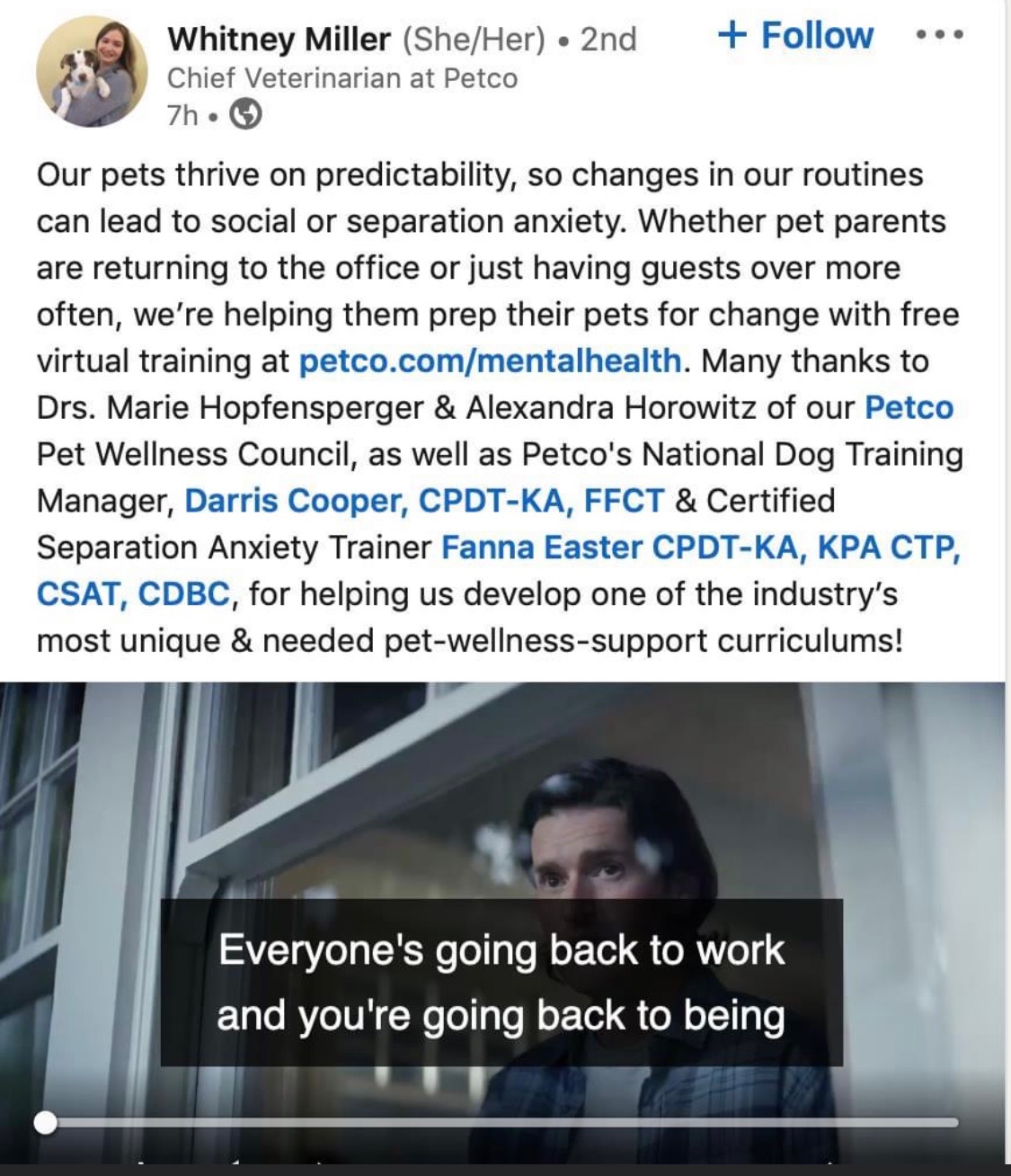
- Certified Dog Behavior Consultant (CDBC through IAABC)
- Certified Separation Anxiety Instructor (CSAT)
- Certified Professional Dog Trainer (CPDT-KA) since 2003
- Karen Pryor Academy Certified Training Partner (KPA CTP)
- Past Chair & Board Of Director – Association Of Professional Dog Trainers (APDT) 2018-2024
- IAABC Foundation Education Manager – 2025
- Dog Behavior Course Graduate, Purdue University
- University of Kansas Applied Behavior Science (RBT course) graduate.
- Certified In Pet Massage
- Current in Pet First Aid (yearly certifications)
- Volunteers with Bull Terrier, Bouvier and Rottweiler rescue