Helping guardians & professionals understand canine repetitive behaviors
Evidence-informed educational resources for guardians and professionals navigating canine compulsive and repetitive behaviors.
What is Canine Compulsive Disorder?
Canine Compulsive Disorder describes a repetitive or sustained behavior that does not change much from one situation to another and which is not a normal part of the ethogram of the organism within the given context. Obsessive is omitted, we don’t know if dogs truly obsess.
(from the encyclopedia of applied behavior and Welfare, edited by Daniel Mills)
Difference between ARBs and Canine Compulsive Disorder
An abnormal repetitive behavior (ARB) is a repeated behavior that seems hard for the dog to control and does not appear to serve a clear purpose in the situation. These behaviors often look the same each time they occur and may continue even when the environment changes.
You may also hear these behaviors described as compulsive behaviors, stereotypies, or compulsive displays. We choose the term abnormal repetitive behaviors (ARBs) because only a veterinarian can medically diagnose a compulsive disorder.
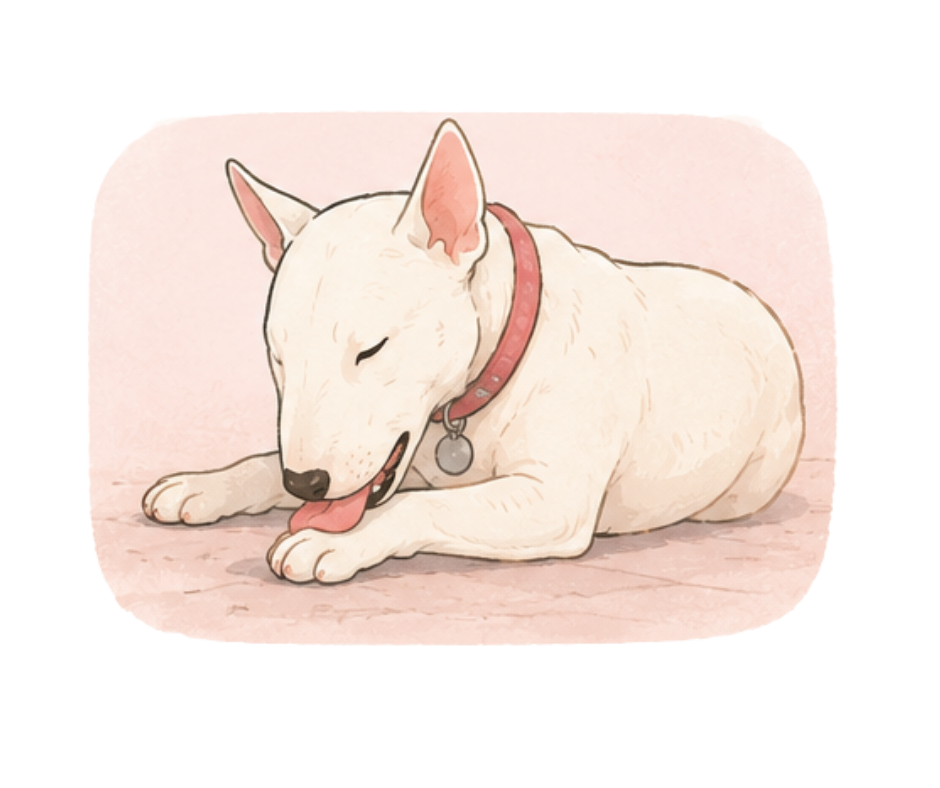
What can ARBs look like?
- Spinning or tail chasing
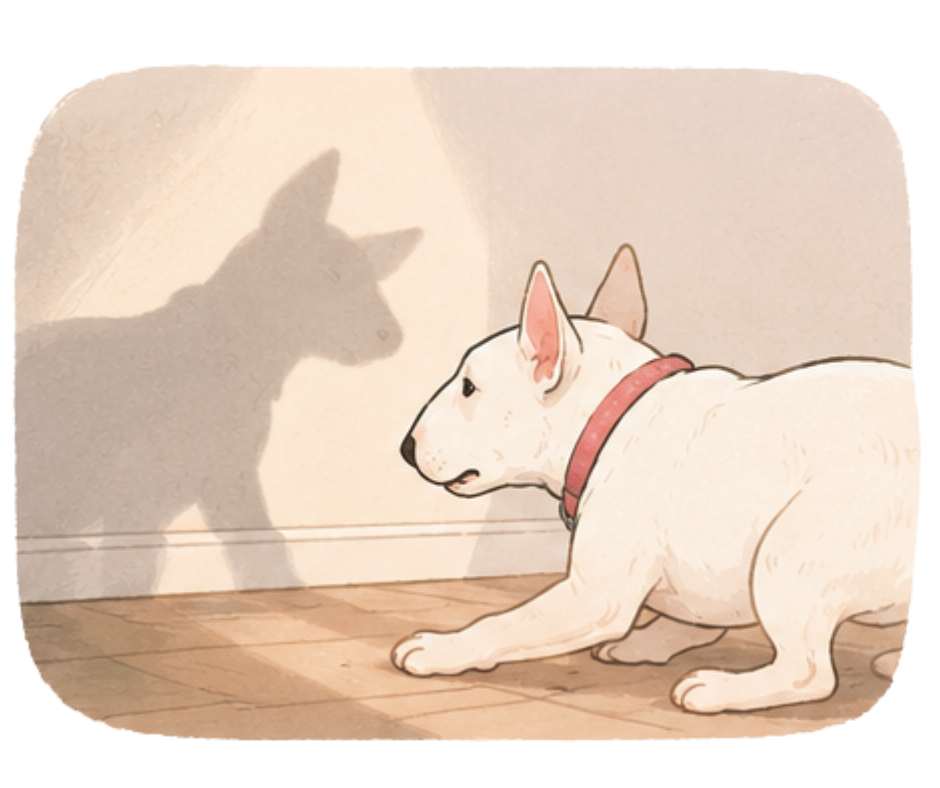
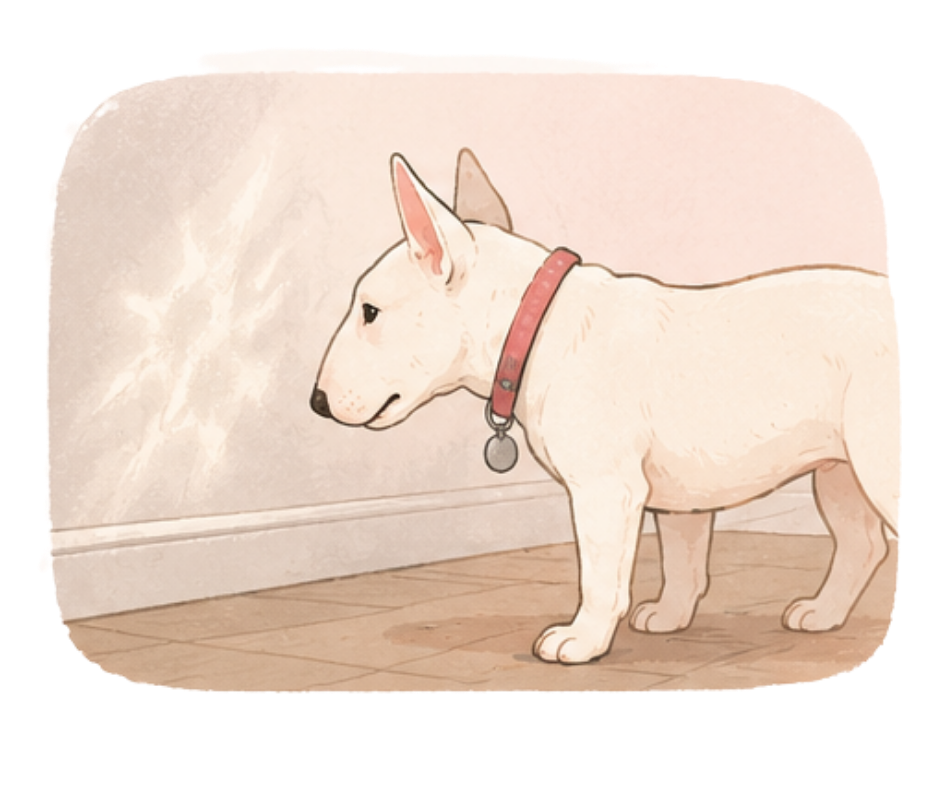
- Staring at shadows or reflections
- Fly snapping when no flies are present
- Eating non-food items (PICA)
- Repeatedly checking the hind end
- Staring or growling at things unseen to humans
- Excessive water drinking
Many of these behaviors can also resemble medical or neurological concerns, which is why a veterinary evaluation is always an important first step.
Start With the Right Resource
For a deeper look at ARBs and practical guidance, our free e-Guides are available below whenever you’re ready.
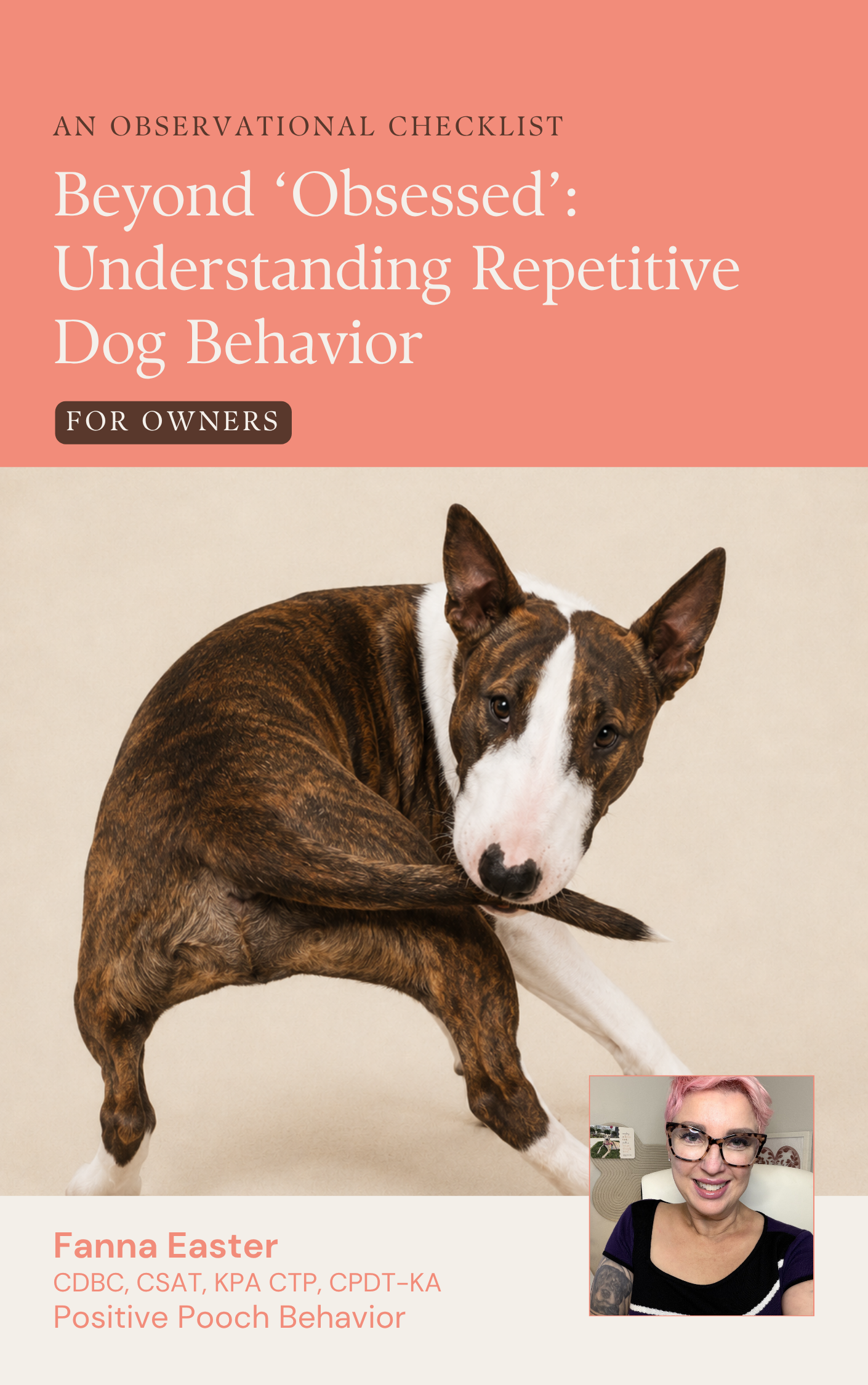
Does your dog display repetitive behaviors?
These behaviors may look like spinning, chasing their tail, shadow chasing, fixation on lights or shadows, chasing lights or shadows, PICA (eating non food items), etc,
Learn what may contribute to these behaviors and what steps guardians (owners) can take next.
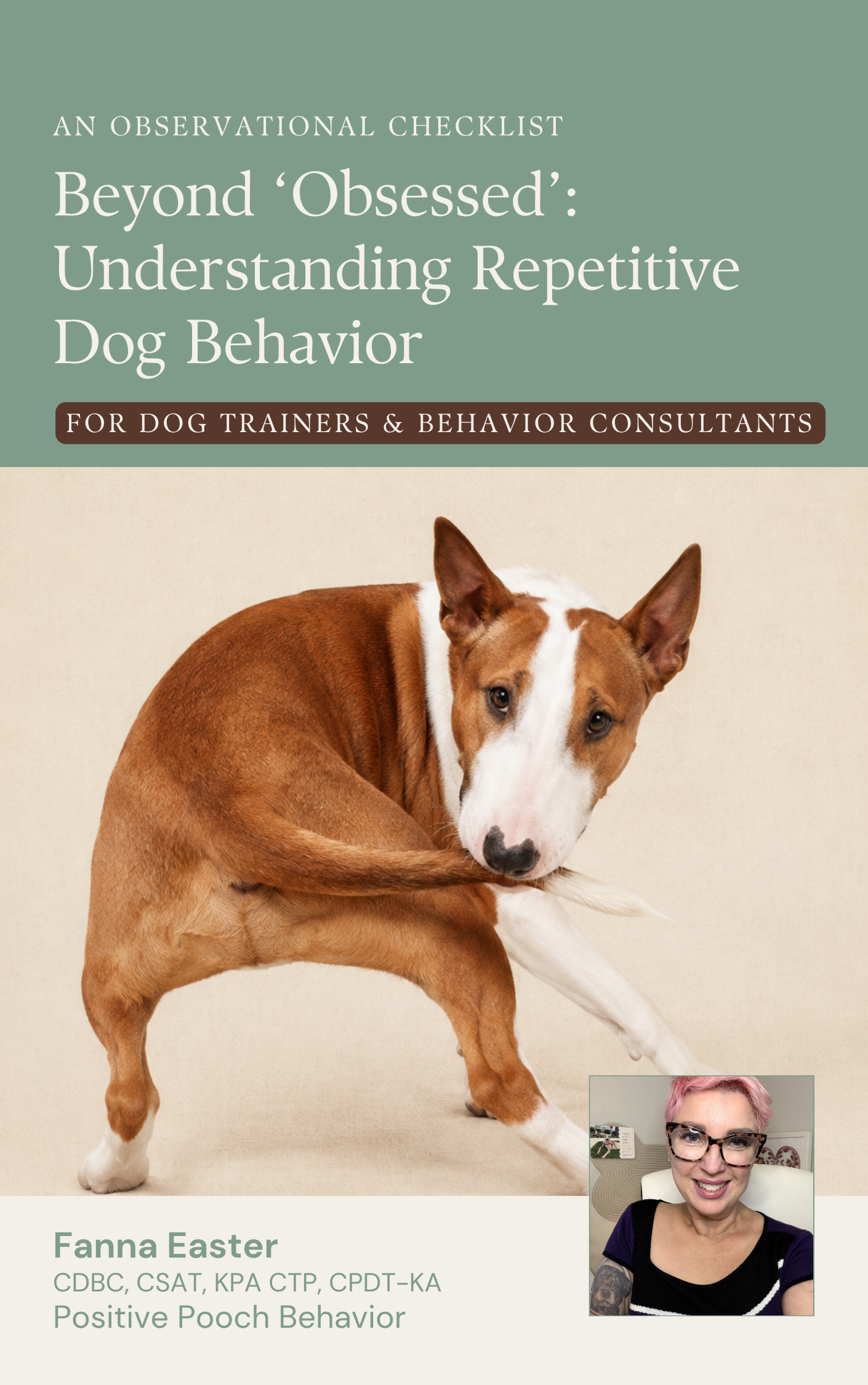
Working with dogs displaying ARBs?
Practical educational material for trainers, pet professionals, rescue staff and behavior consultants seeking a clearer framework for understanding repetitive behaviors.
Contains guidance on recognizing behaviors that may resemble ARBs.
By downloading this guide, you are not joining a weekly newsletter; I will only email you with important updates (like new or updated guides or courses) every couple of months. I respect your boundaries. You can unsubscribe at any time. 🙂
Rule out medical issues first
Before beginning any behavior modification plan, your dog should first receive a complete veterinary examination. Many repetitive or compulsive-like behaviors can be connected to underlying medical concerns, including:
- Gastrointestinal discomfort
- Skin irritation or allergies
- Neurological conditions
- Pain or physical discomfort
- Changes in vision, hearing, or sensory processing
A veterinarian plays an essential role in helping rule out or identify medical causes that may be contributing to the behavior.
Even if the behavior is just starting, start with your veternarian first.