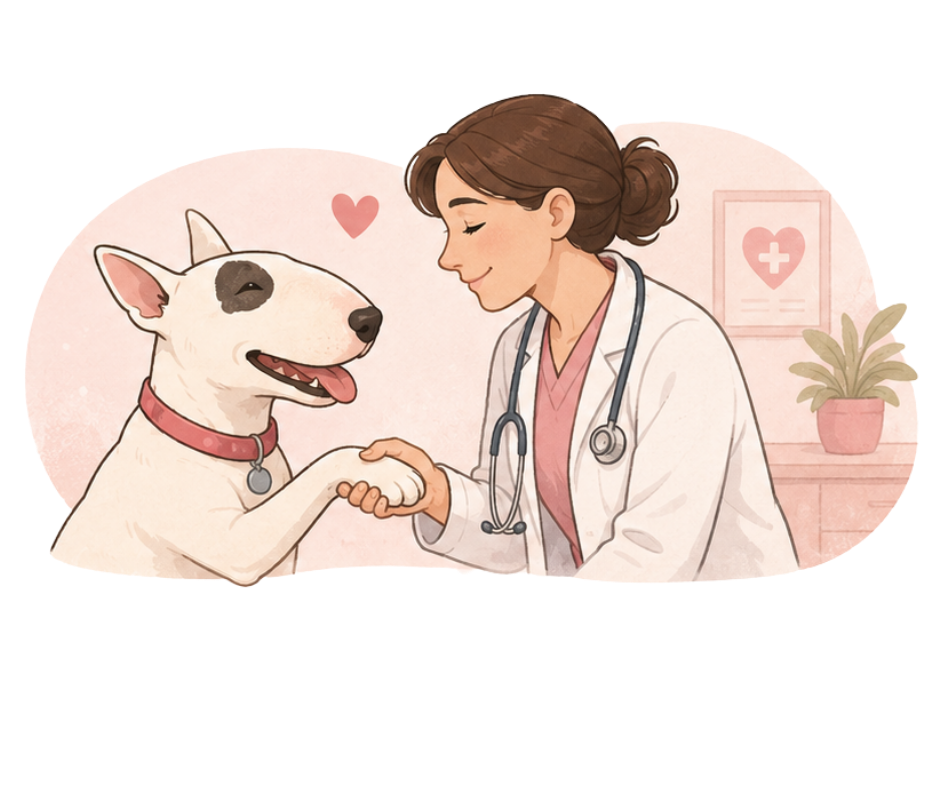
Canine Compulsive Behaviors & ARBs in Dogs
Humane, evidence-informed support for dogs showing repetitive or compulsive behavior patterns.
What Are ARBs?
Abnormal repetitive behaviors (ARBs), sometimes called canine compulsive behaviors, are repetitive behavior patterns that can become difficult for a dog to stop or disengage from. These behaviors are often influenced by stress, emotional state, environment, genetics, and learning history.
While people often use the word “obsessive,” we cannot know whether dogs experience obsessions the same way humans do. In canine behavior, terms like compulsive behaviors or abnormal repetitive behaviors (ARBs) are more accurate.
Possible Signs of ARBs in Dogs
Repetitive behaviors may be ARBs or may reflect medical, neurological, pain-related, or environmental factors. Classification depends on frequency, duration, intensity, and context, and veterinary evaluation may be recommended when appropriate.
- Tail chasing
- Spinning
- Eating non-food items (PICA)
- Hallucinatory-like behaviors
- Excessive licking (themselves, others, surfaces)
- Flank sucking
- Staring at reflections or shadows
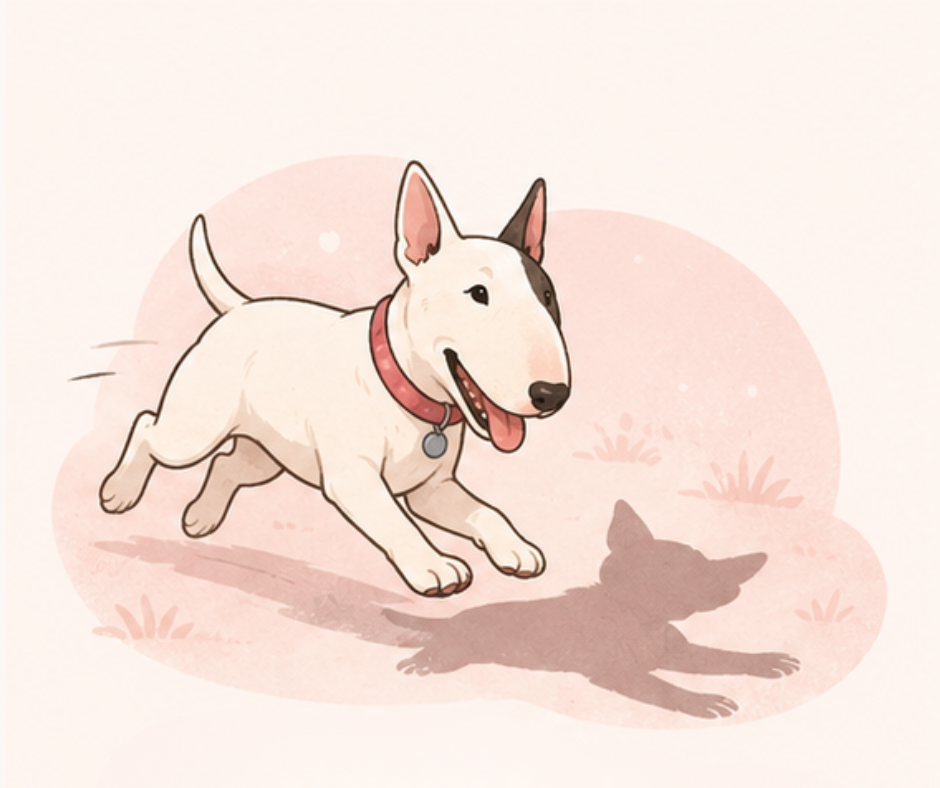
- Chasing reflections or shadows
- Repetitive checking of the hind end
- Fly catching or fly snapping (no flies present)
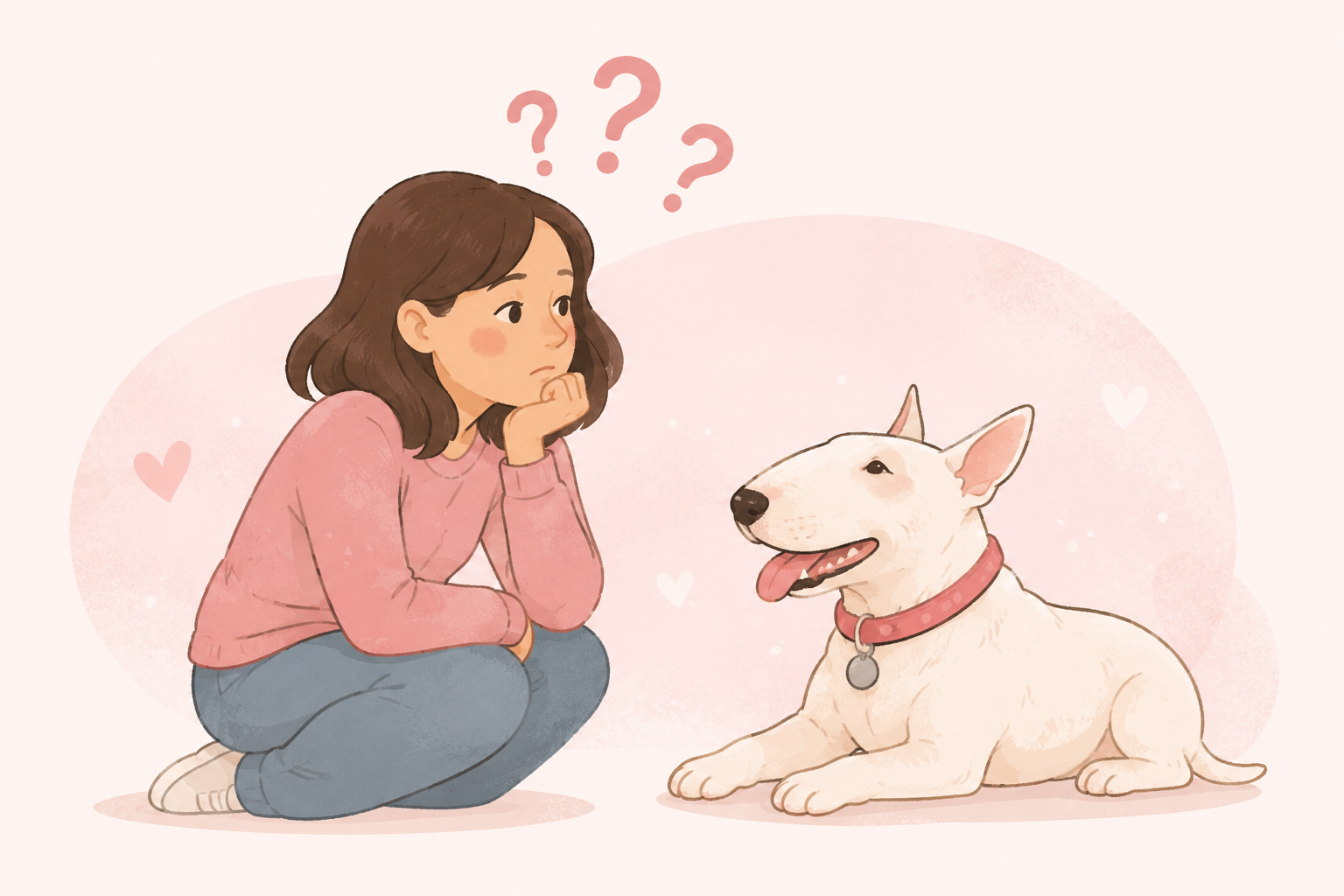
Why These Behaviors Happen
There is rarely one single cause for repetitive behaviors. Often, several factors may be involved, including:
- Genetics or breed tendencies (Up to 85 percent of any Bull Terrier litter will compulsively chase their tails)
- Medical conditions, chronic stress, or pain
- Frustration or distress
- Environmental factors
- Learned behaviors shaped by past experiences and reinforcement history
Our approach
Our program guides guardians step-by-step in understanding and supporting repetitive behaviors in dogs. Using observation and learning theory principles, we focus on building predictability, reducing frustration, and supporting more flexible behavior patterns over time.
How the process works
1. Behavior Assessment
We begin by observing and documenting your dog’s repetitive behaviors, including frequency, context, and possible triggers. This helps establish a clear baseline.
2. Individualized Action Plan
A structured, evidence-informed plan is created based on your dog’s specific behavior patterns and environment. The focus is on reducing compulsive behaviors and building alternative responses.
3. Guided Support Check-Ins
Regular check-ins (weekly or biweekly) provide support, troubleshooting, and adjustments as your dog progresses.
4. Progress Tracking & Adjustments
We monitor changes over time and refine the plan to support meaningful, sustainable improvements in behavior and quality of life.
Support Options
A short conversation to understand your dog’s behavior, clarify what you’re seeing, and determine the most appropriate level of support.
We’ll identify whether your case is best suited for a one-time session or ongoing behavior work, especially for ARBs (Abnormal Repetitive Behaviors), which often require structured follow-up over time.
Weekly Support
Weekly 30 min check-insIntensive, hands-on support for established or complex ARBs.
Best for situations where behaviors are persistent, highly patterned, or significantly impacting daily life. Weekly sessions allow for close adjustment of interventions and faster refinement based on real-world progress.
Biweekly Support
Every 2 weeksSteady guidance for developing or moderately complex ARBs.
- This option allows time between sessions to observe patterns while still receiving consistent feedback and plan adjustments. Ideal for building structure, improving awareness, and refining early interventions without feeling rushed.
Individual Lesson
Once (60 mins)A focused session to help you understand your dog’s behavior and get a clear, practical starting plan.
You’ll leave with immediate direction, insight into likely behavioral drivers, and next steps you can begin right away. This option is best for gaining clarity or establishing whether ongoing support is needed.
Note: ARBs often require continued support for lasting change. Eligibility for individual lessons is confirmed during your discovery call.
Veterinary Collaboration
Choose the 4-week support program that fits your schedule. Both options provide evidence-based strategies and personalized guidance.
We always recommend a veterinary evaluation before beginning behavior modification. Some repetitive behaviors in dogs can be influenced or complicated by underlying medical or neurological conditions.