Practical Dog Behavior Education for Pet Sitters
Self-paced courses designed to help pet sitters better understand canine body language, recognize stress signals, and safely navigate reactive or difficult situations — without needing to become a dog trainer.

Humane & Welfare-Focused ⋅ Self-Paced Professional Education ⋅ Real-World Safety Skills ⋅ Evidence-Informed Learning
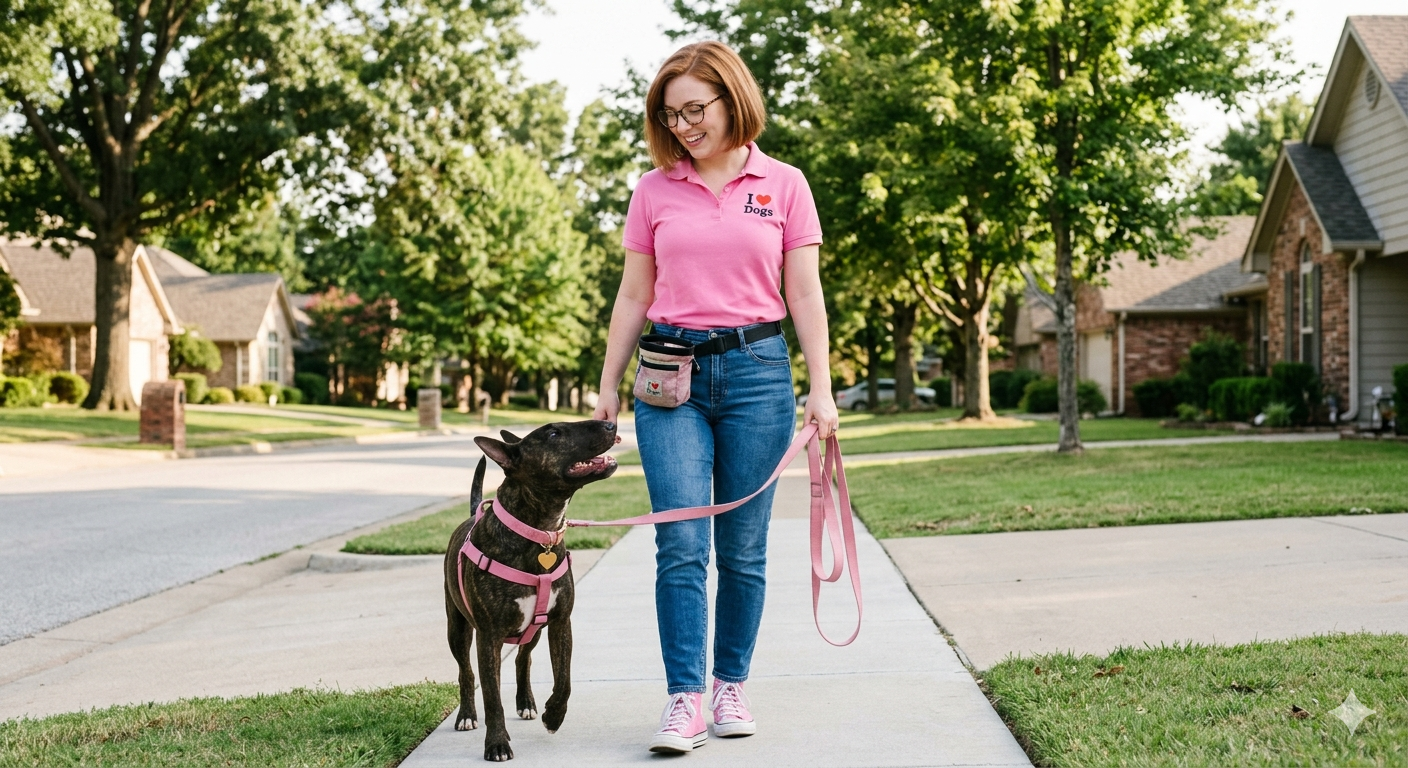
Pet Sitters Handle More Than Feeding and Walks
Pet sitters are often placed in challenging real-world situations:
- nervous dogs at doorways
- leash reactivity on walks
- handling fear during visits
- overstimulation
- stress-related behaviors
Understanding canine body language and learning how to respond calmly can improve safety, reduce stress, and help dogs feel more secure during care.
Free Guide for Pet Sitters
What to Do, What to Avoid, and How to Start Building Trust
The first 30 minutes of a pet sit can feel like the most stressful part of the entire visit. Many pet sitters worry about doing the “wrong” thing, making the dog uncomfortable, or accidentally increasing barking, fear, or tension.
This free 18 page guide helps you understand what dogs are actually communicating during those first moments together — and how to respond in ways that help dogs feel safer, calmer, and more comfortable around you. Illustrations included.
By downloading this guide, you are not joining a weekly newsletter; I will only email you with important updates (like new or updated guides or courses) every couple of months. I respect your boundaries. You can unsubscribe at any time. 🙂

Self-Paced Courses for Pet Sitters

A Deeper Understanding of Dog Behavior
Dogs communicate constantly through body language. Learn to recognize stress levels, fear, conflict, reactivity, and relaxed behavior from a distance.

Understanding Behavior Beyond “Good” or “Bad”
A beginner-friendly introduction to learning theory helps you prevent stress, avoid accidental behavior problems, and handle dogs more confidently during real-life situations.

Free Dog Behavior Videos on YouTube
Not sure yet? Start with our free videos and get a feel for how we teach — no strings attached.
Educational courses only. These programs are not designed to certify pet sitters as dog trainers or behavior professionals.
Resources: What You’ll Learn
Every dog you sit for comes with their own history, quirks and challenges. This course gives you the behavior knowledge to walk into any situation feeling prepared — not panicked.
You’ll learn to read what dogs are telling you, understand why they do what they do, and know exactly how to respond when things don’t go as planned.
Because feeling prepared changes everything — for you and for the dogs who need you


About the Instructor
Fanna Easter is a canine behavior professional specializing in humane behavior support, stress-related behaviors, compulsive and repetitive behaviors, and practical education for pet professionals and guardians.
Her work focuses on helping professionals better understand canine body language, behavior patterns, stress responses, and ethical support strategies through an evidence-informed, welfare-centered approach.
With experience working directly with behavior cases and pet guardians, she emphasizes practical application, thoughtful observation, and compassionate handling skills that professionals can use in real-world situations.
Fanna has earned her Certified Dog Dog Consultant (CDBC), Certified Separation Anxiety Trainer (CSAT), Karen Pryor Academy Graduate (KPA-CTP) and Certified Professional Dog Trainer (CPDT-KA) since 2003.
Common Dog Behavior Questions from Pet Sitters
Do pet sitters need dog behavior education?
Pet sitters regularly work with dogs in real-world environments where stress, fear, excitement, and reactivity can occur. Understanding canine body language and stress signals can help dramatically improve safety, communication, and overall welfare during care.
Behavior education does not mean becoming a dog trainer. These courses are designed to help pet sitters feel more informed, observant, and prepared during everyday interactions with dogs.
How can pet sitters handle reactive dogs safely?
Safety should always come first. Pet sitters should avoid punishment, forced interactions, or escalating situations. In many cases, creating distance reduces pressure and/or avoiding triggers can help lower stress during walks or visits.
Because every dog and situation is different, pet sitters should focus on learning practical observation skills, handling considerations, and recognizing when additional professional support may be appropriate.
We offer an excellent “Pet Sitting Reactive Dog Course” filled with solutions, diagrams and step by step actions to take for walking into a home, walking a dog and staying overnight)
What are common canine stress signals?
Stress signals can vary between dogs, but common signs may include:
- lip licking
- yawning
- pacing
- panting unrelated to heat or exercise
- avoiding interaction
- whale eye (whites of eyes showing)
- stiff posture
- shaking off
- barking or vocalizing
- hypervigilance
- difficulty settling
These behaviors do not automatically mean a dog is “bad” or aggressive. Context matters, and behavior should always be interpreted carefully and compassionately. Check out our free Youtube videos for step by step discussion using real images and video.
Can pet sitters prevent leash reactivity?
Yes! Leash reactivity can develop for many reasons, including stress, frustration, fear, over-arousal, environment, learning history, or underlying discomfort.
While pet sitters cannot fully prevent or resolve leash reactivity on their own, understanding canine body language and reducing stressful interactions may help support safer, more manageable walks.
Persistent or escalating behavior concerns should be discussed with the guardian and appropriate professionals when needed.
Are these courses for dog trainers?
No. These courses are designed specifically for pet sitters and pet care professionals who want a better understanding of canine behavior in everyday pet care settings.
The focus is on practical observation skills, body language, stress recognition, and navigating real-world situations — not training techniques, behavior modification, or professional trainer certification.
Can I recommend owners watch these videos too?
Yes. While these courses are designed with pet sitters in mind, many dog guardians also benefit from learning more about canine body language, stress signals, and handling considerations.
Understanding behavior can help improve communication, safety, and overall welfare for dogs in everyday life.
What is canine body language?
Dogs communicate primarily through body language. Changes in posture, facial expression, movement and ear carriage can provide important information about a dog’s comfort level, stress, excitement, fear, or uncertainty.
Learning to observe body language helps pet sitters better understand how a dog may be feeling in different situations and can support safer, lower-stress interactions. Basically, you’re learning how to “listen” to a dog’s needs in the moment.
How do I recognize fear in dogs?
Fear can appear differently depending on the dog and situation. Some dogs may withdraw, pull their body backwards (away from the scary thing) or avoid interaction, while others may bark, lunge, freeze, or become highly alert.
Common signs can include:
- tucked tail
- crouched posture
- trembling
- avoidance
- pinned ears
- stiff movement
- excessive panting
- hiding
- sudden reactivity
- body leaning backwards
Understanding early body language changes can help pet sitters respond more thoughtfully and reduce additional stress during care.
What should pet sitters do if a dog becomes overwhelmed?
If a dog appears overwhelmed, the best approach is often to increase space from the thing causing the dog to become overwhelmed. Slowing down interactions, avoiding confrontation, minimizing triggers, pairing high value treats for new situations and prioritizing safety can help prevent further escalation.
Pet sitters should learn how to recognize early stress signals and navigate difficult moments before overwhelm happens (yes, it’s completely possible!).
Continue Learning About Canine Behavior
Whether you’re a pet sitter, trainer, or dog professional, understanding behavior helps improve welfare and advocacy for dogs in your care.